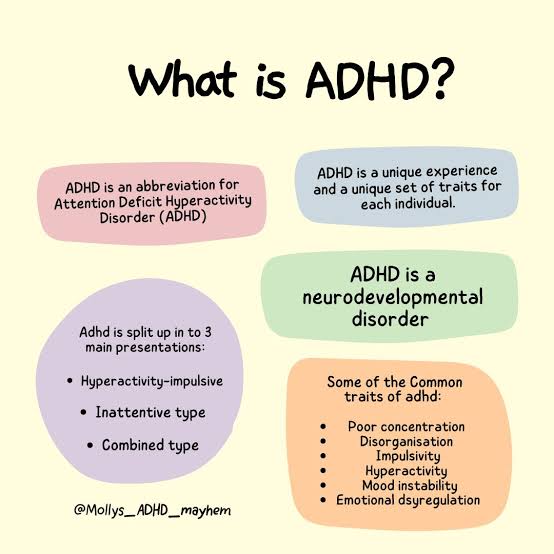
Attention deficit hyperactivity disorder (ADHD) is a condition that affects people’s behaviour. People with ADHD can seem restless, may have trouble concentrating and may act on impulse.
What is ADHD?
ADHD is one of the most common neurodevelopmental disorders of childhood. It is usually first diagnosed in childhood and often lasts into adulthood. Children with ADHD may have trouble paying attention, controlling impulsive behaviors (may act without thinking about what the result will be), or be overly active
ADHD can last into adulthood. Some adults have ADHD but have never been diagnosed. The symptoms can cause difficulty at work, at home, or with relationships. Symptoms may look different at older ages, for example, hyperactivity may appear as extreme restlessness. Symptoms can become more severe when the demands of adulthood increase. For more information about diagnosis and treatment throughout the lifespan, please visit the websites of the National Resource Center on ADHD and the National Institutes of Mental Health
Managing Symptoms: Staying Healthy
Being healthy is important for all children and can be especially important for children with ADHD. In addition to behavioral therapy and medication, having a healthy lifestyle can make it easier for your child to deal with ADHD symptoms. Here are some healthy behaviors that may help:
Developing healthy eating habits such as eating plenty of fruits, vegetables, and whole grains and choosing lean protein sources
Participating in daily physical activity based on age
Limiting the amount of daily screen time from TVs, computers, phones, and other electronics
Getting the recommended amount of sleep each night based on age
Signs and Symptoms
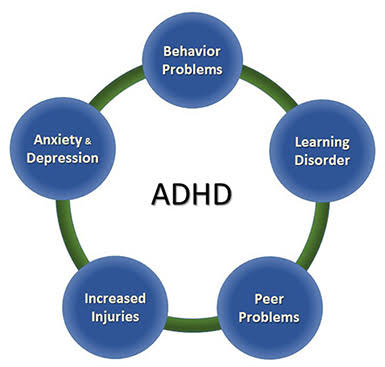
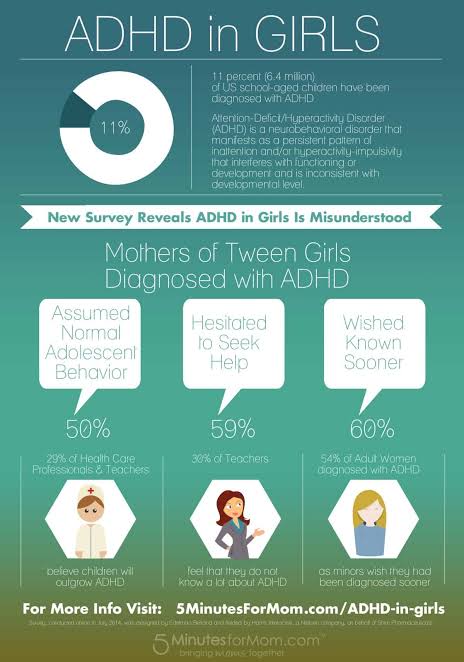
It is normal for children to have trouble focusing and behaving at one time or another. However, children with ADHD do not just grow out of these behaviors. The symptoms continue, can be severe, and can cause difficulty at school, at home, or with friends.
A child with ADHD might:
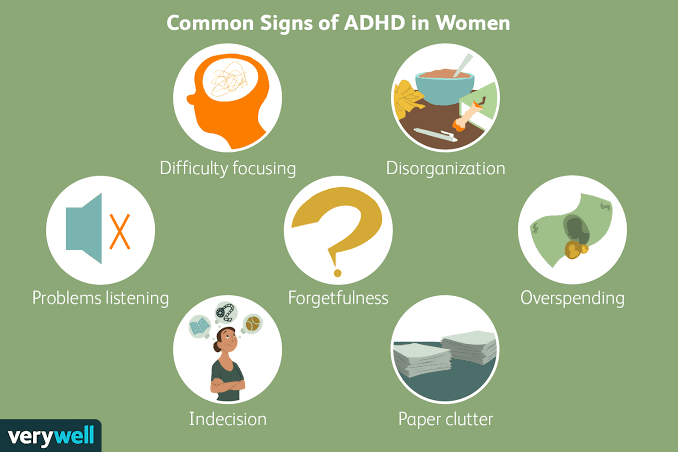
daydream a lot
forget or lose things a lot
squirm or fidget
talk too much
make careless mistakes or take unnecessary risks
have a hard time resisting temptation
have trouble taking turns
have difficulty getting along with others
Diagnosis
Deciding if a child has ADHD is a process with several steps. There is no single test to diagnose ADHD, and many other problems, like anxiety, depression, sleep problems, and certain types of learning disabilities, can have similar symptoms. One step of the process involves having a medical exam, including hearing and vision tests, to rule out other problems with symptoms like ADHD. Diagnosing ADHD usually includes a checklist for rating ADHD symptoms and taking a history of the child from parents, teachers, and sometimes, the child.
It can be a symptom of Attention Deficit Hyperactivity Disorder (ADHD) or a condition where there is a lack of brain structure, causing excessive anxiety or an individual’s inability to focus.
According to pediatrician Francis Xavier Dimalanta, there are three types of ADHD that can be seen in young people.

First is the ADHD-inattentive type (ADHD-IA), where someone with ADHD is said to be easily distracted.
Next came the ADHD-hyperactive type (ADHD-HI) or type in which the individual is extremely restless.
There is also ADHD combined type (ADHD-CT) in which the person with ADHD experiences the symptoms of ADHD-HI and ADHD-IA.
The symptoms are felt from childhood but according to Dimalanta, there is a high chance that the child will carry the symptoms as he grows up.
“When he grows up, even a few times, he loses things, is easily distracted by noises, movement after movement, you know the one where you are tickling, you are talking about words, and you can’t insert,” said Dimalanta.
According to the doctor, ADHD also includes other disorders such as oppositional defiant disorder or opposition to elders or authority figures, conduct disorder, and feeling anxious.
The condition can affect the child’s grade in class, even his socialization with the family. So he encouraged treating the child with ADHD like a normal child.
“Treat [the child] like any other child. The child must know that the family must be there to support him. He must be responded to in the same way so that he does not get confused. Things have to be in place,” said Dimalanta.
 Site Title